Kumangka Warrarna Wangkanthi covers metropolitan Adelaide and has 11 elected members. This is due to the higher population of Aboriginal and Torres Strait Islander people in this region.
Kumangka Warrarna Wangkanthi translates to 'voices speaking together'.
The region covers the following local council areas:
- Adelaide Hills Council
- Campbelltown City Council
- City of Adelaide
- City of Burnside
- City of Charles Sturt
- City of Holdfast Bay
- City of Marion
- City of Mitcham
- City of Norwood Payneham and St Peters
- City of Onkaparinga
- City of Playford
- City of Port Adelaide Enfield
- City of Prospect
- City of Salisbury
- City of Tea Tree Gully
- City of Unley
- City of West Torrens
- Mount Barker District Council
- Town of Walkerville
See the Central Region map (external site) (PDF) (external site) (PDF) (external site) (PDF) (external site) (PDF) (external site) (PDF) (external site) (PDF) (external site) (PDF) (external site)(PDF) (external site) (PDF) (external site) (PDF) (external site) (PDF) for more details.
Learn more about the Local First Nations Voice - Kumangka Warrarna Wangkanthi (Central) region (PDF, 661.4 KB)
Local Voice Members
The members below were elected to their positions at the 21 March 2026 SA Voice Elections.
For information about former members of the SA Voice, visit our Inaugural Members page.
*Presiding Members who sit on the State Voice
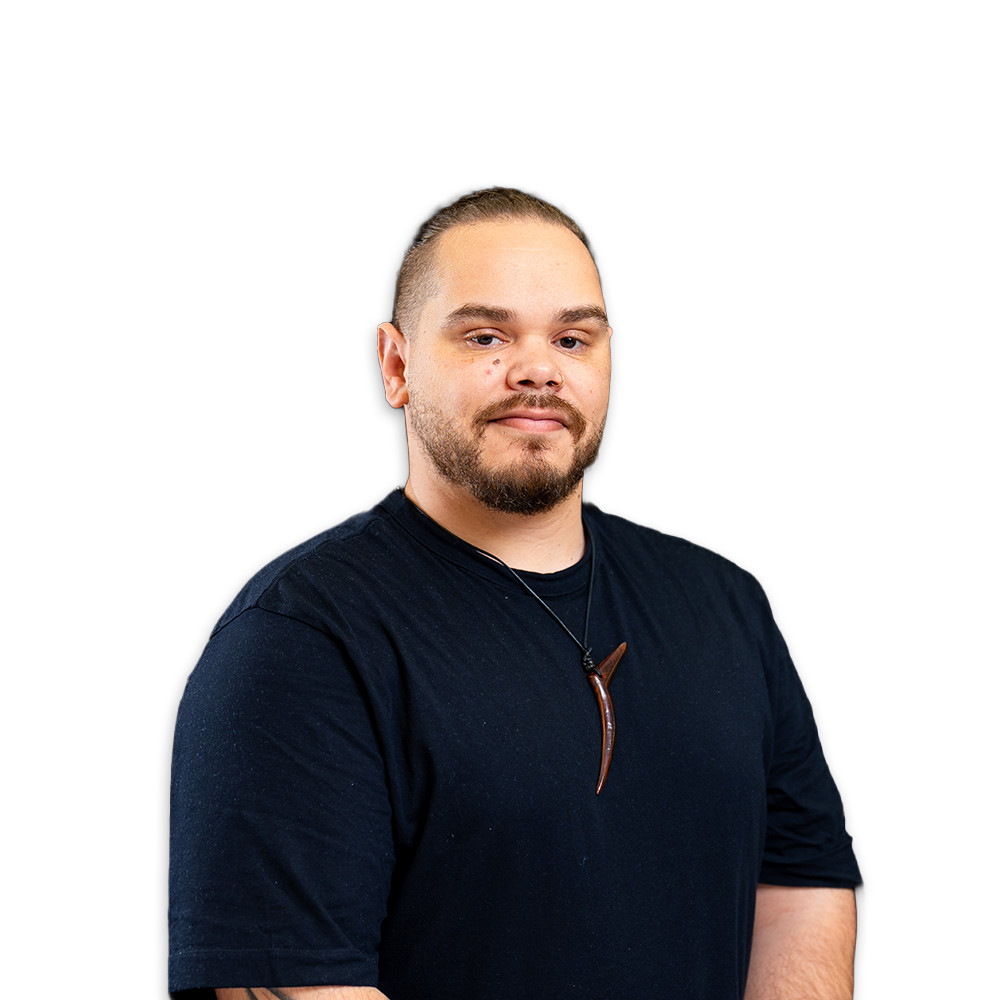
Clinton Bennell
Read Clinton's bio
Clinton Bennell is a proud Noongar and Wiradjuri man. He has extensive experience across a variety of sectors, including Community Services, Alcohol and Other Drugs (AOD), Health, Education, Correctional Services and Domestic and Family Violence. This diverse background allows him to operate with a holistic approach to his work, offering a broad and insightful perspective on where and how meaningful impact can be achieved.
Clinton is guided by a simple yet powerful mantra: "See the need, meet the need." This guiding principle reflects his deep commitment to identifying and responding to the specific needs of individuals and communities, ensuring that his efforts are both relevant and impactful in meaningful and lasting positive change.
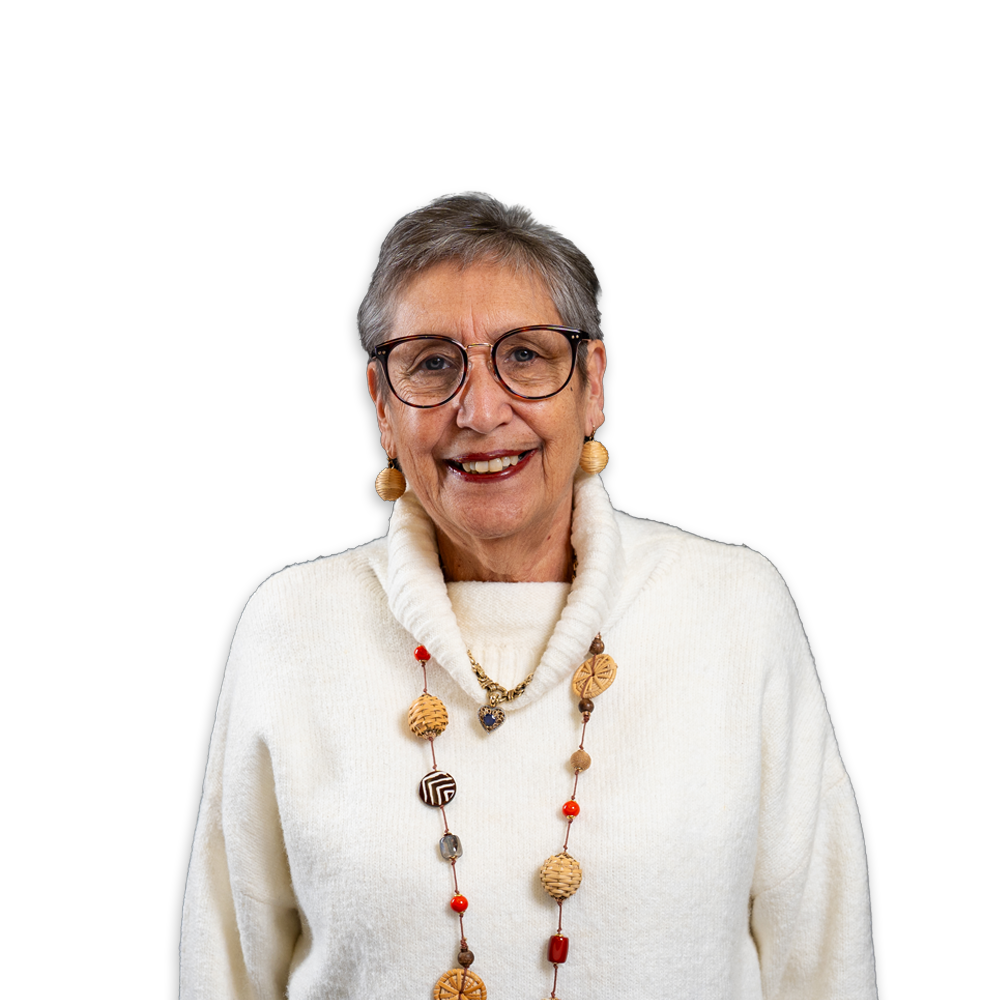
Dr Jennifer Caruso AM
Read Jennifer's bio
Dr Jenni Caruso AM (B.A, Hons History, PhD History) is an Eastern Arrernte woman whose personal experience is that of being a member of the Stolen Generations which was the focus of her PhD Dream Phantasy of A Utopia: The Making of the Methodist Half-Caste Mission of Croker Island.
She is the recipient of the NAIDOC Lifetime Achievement Award, the Gladys Elphick Quiet Achiever Award, a member of the S.A Women’s Honour Roll, finalist in the Premier’s NAIDOC Awards and was recently awarded the SA NAIDOC Female Elder of the Year.
During her 25 years at the University of Adelaide as a lecturer and educator and now through her own consultancy Saltbush Consulting, the principles which underlie Dr Caruso’s work are that all Australians should have access to information and the sharing of knowledge on Aboriginal history in this nation. Dr Caruso is also currently Chair of the South Australian Stolen Generations Aboriginal Corporation.
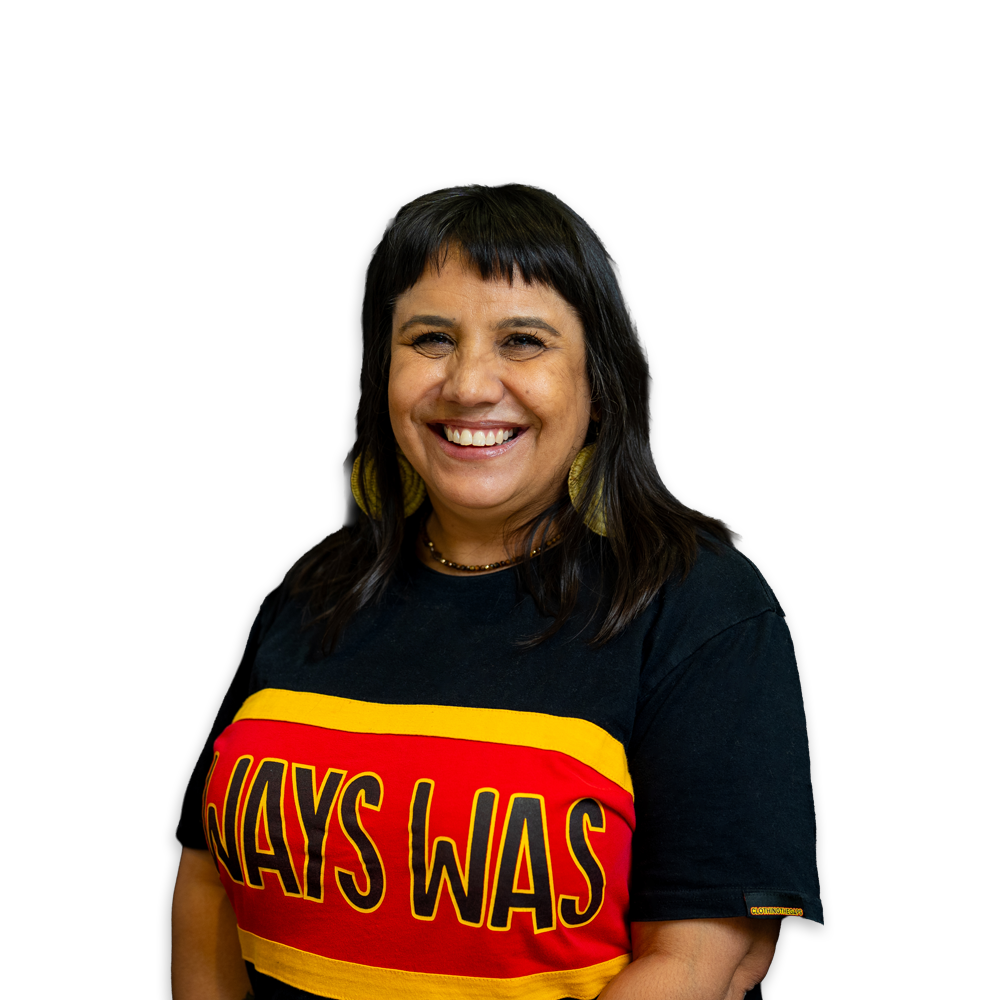
Melissa Clarke
Read Melissa's bio
Melissa Clarke is a Ngarrindjeri, Kaurna and Wirangu woman and a senior justice and governance leader with over 25 years’ experience across policing, government and the Aboriginal community-controlled sector.
She has held national and state leadership roles, including as General Manager of NATSILS and as an independent expert on the National Justice Policy Partnership.
Melissa brings a strong focus on dignity-led leadership, community-driven reform, and ensuring the Voice delivers real outcomes and accountability for Aboriginal and Torres Strait Islander peoples.
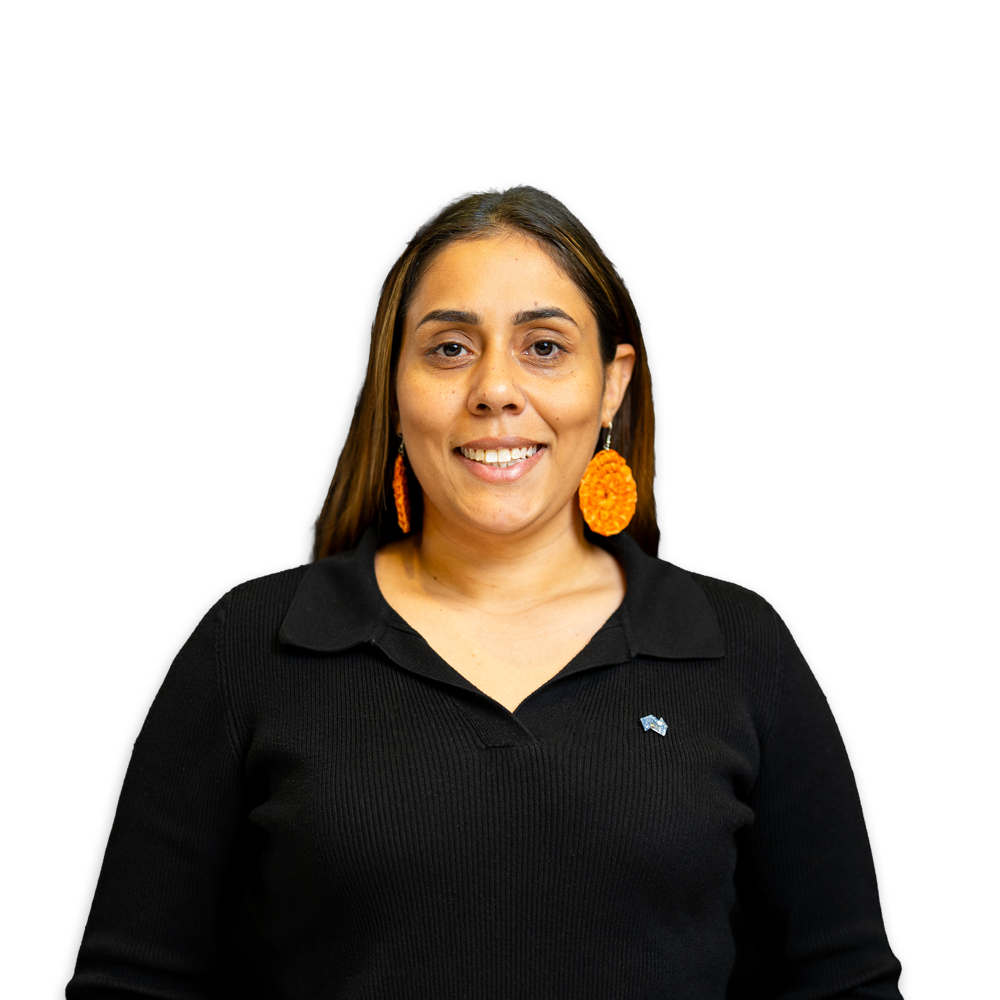
Kahlia Gibson
Read Kahlia's bio
Kahlia Gibson is a proud Kokatha and Barkindji woman, with strong matriarchal ties to Kaurna and Narungga. She is deeply connected to her community, and her work is grounded in culture, resilience, and a commitment to strengthening outcomes for First Nations peoples.
Kahlia currently acting as Senior Advisor, Aboriginal Programs, within the Rehabilitation Services Branch for the Department for Correctional Services, and has previously held the position of Team Leader, Aboriginal Offender Management and Rehabilitation Services.
She has held key leadership roles, including Chairperson of the Kokatha Aboriginal Corporation, contributing to the establishment of the Kokatha Recognised Aboriginal Representative Body in 2021.
Kahlia is also a member of the State Aboriginal Heritage Committee and is undertaking a Bachelor of Psychology at the University of Adelaide.
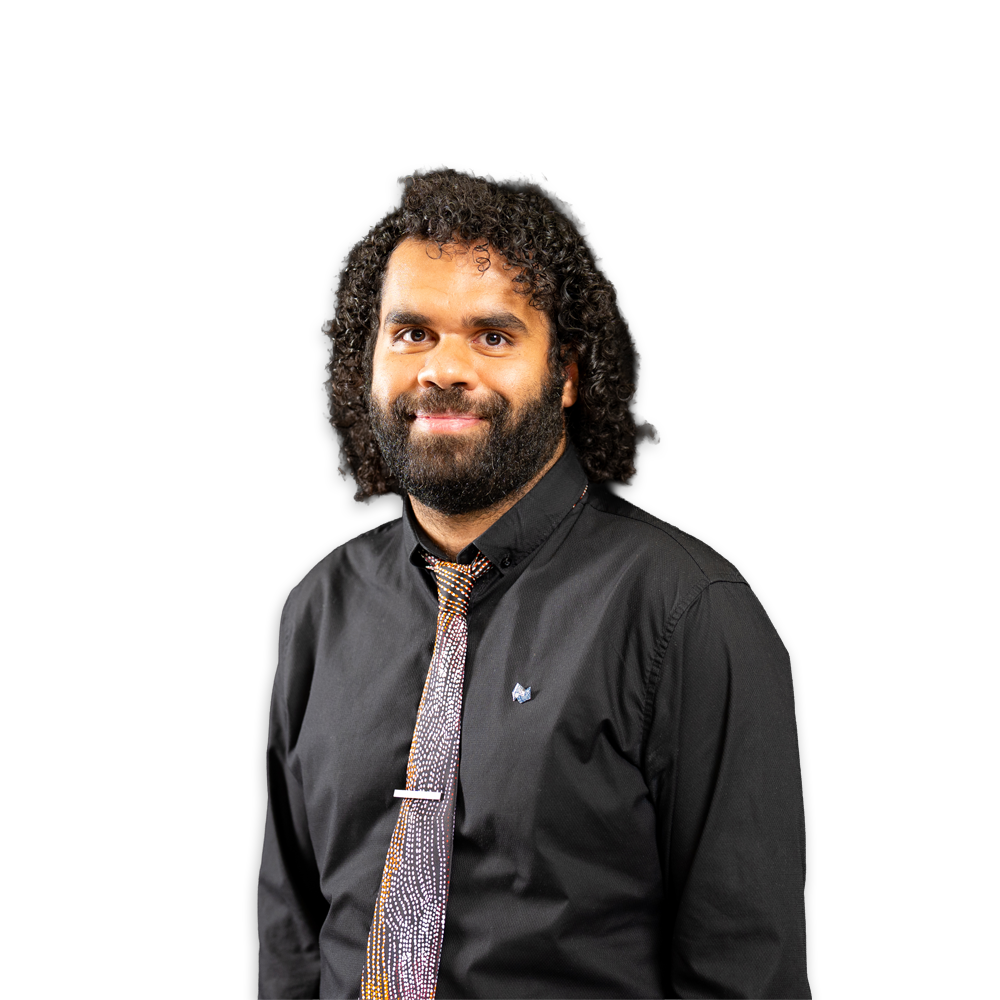
Matthew Karpany-Carter*
Read Matthew's bio
Matthew Karpany-Carter is a Ngarrindjeri man, born in Murray Bridge. He has lived and worked on Kaurna Yerta since 2016, maintaining strong connections to culture, community and Country.
A committed advocate for First Nations voices, Matthew is passionate about strengthening self-determination and ensuring Aboriginal perspectives are reflected in decision-making. He has a strong focus on culturally safe workplaces and supporting both current and future generations of Aboriginal and Torres Strait Islander leaders.
Matthew brings close to a decade of experience across the South Australian public sector, with a focus on governance, policy and program delivery. He has worked across multiple agencies, including SafeWork SA, the Country Fire Service and the Department for Education.
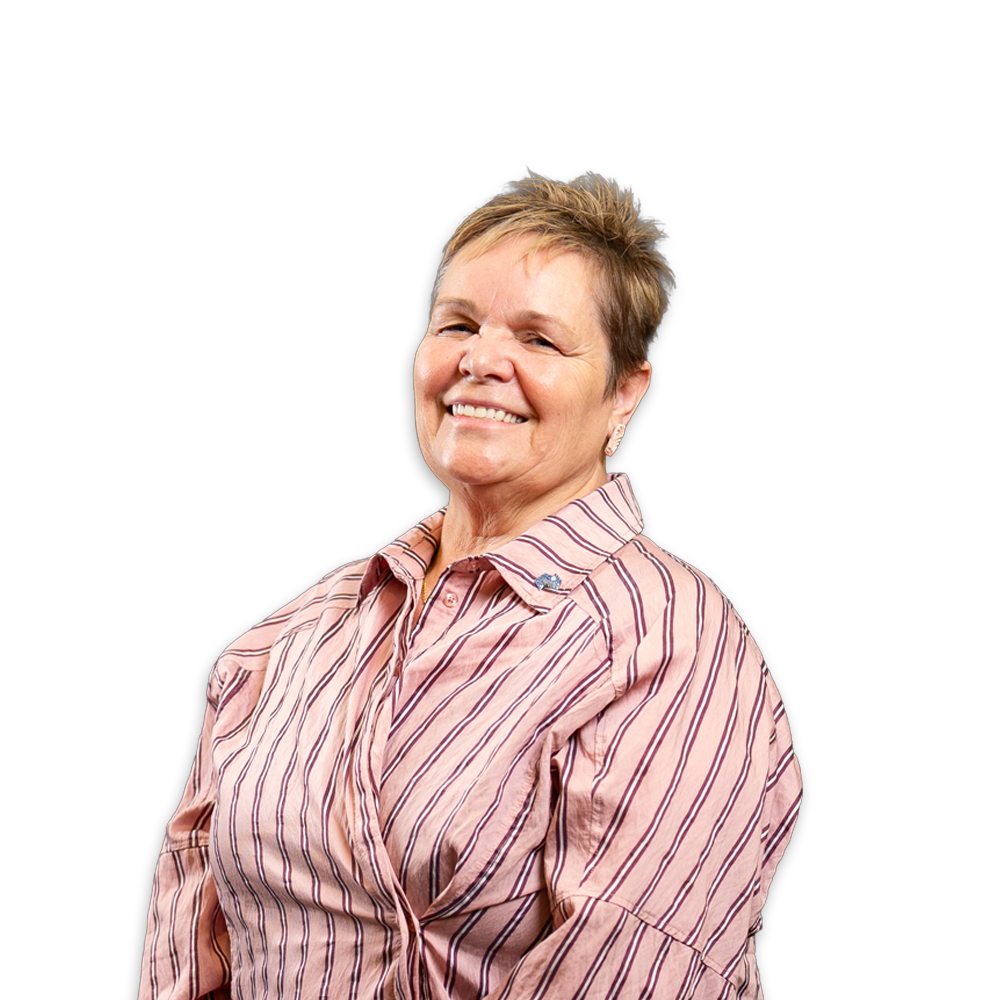
Deb Moyle*
Read Deb's bio
Deb is a proud Ngarrindjeri woman and a member of the First People of the Millewa Mallee. She adores her children and grandchildren and is a highly respected Aunt to many. She proudly follows her mother's legacy of community development, responsibility and respect.
Her professional career spans more than 40 years of service to South Australia's Aboriginal community. She worked for 24 years in the Department for Education where she was the first Aboriginal Principal Policy Advisor for early childhood education in SA. She was responsible for Aboriginal early childhood systems reform, policy and curriculum development, and led the establishment of 3 COAG Aboriginal Early Childhood Centres.
Deb currently leads the community-led Justice Reinvestment in South Australia, working with the Australian Red Cross and the Tiraapendi Wodli team. She was proactive in opening the first metropolitan Justice Reinvestment Hub in South Australia in 2021.
Deb is a bold speaker and advocate for truth-telling, and she is often sought as a public speaker at many national conferences and local community learning circles. She describes herself as a strong community advocate for self-determination and community-led initiatives, is highly regarded by her community and is proud to be a Respect Person for South Australia's Nunga Court in Port Adelaide.
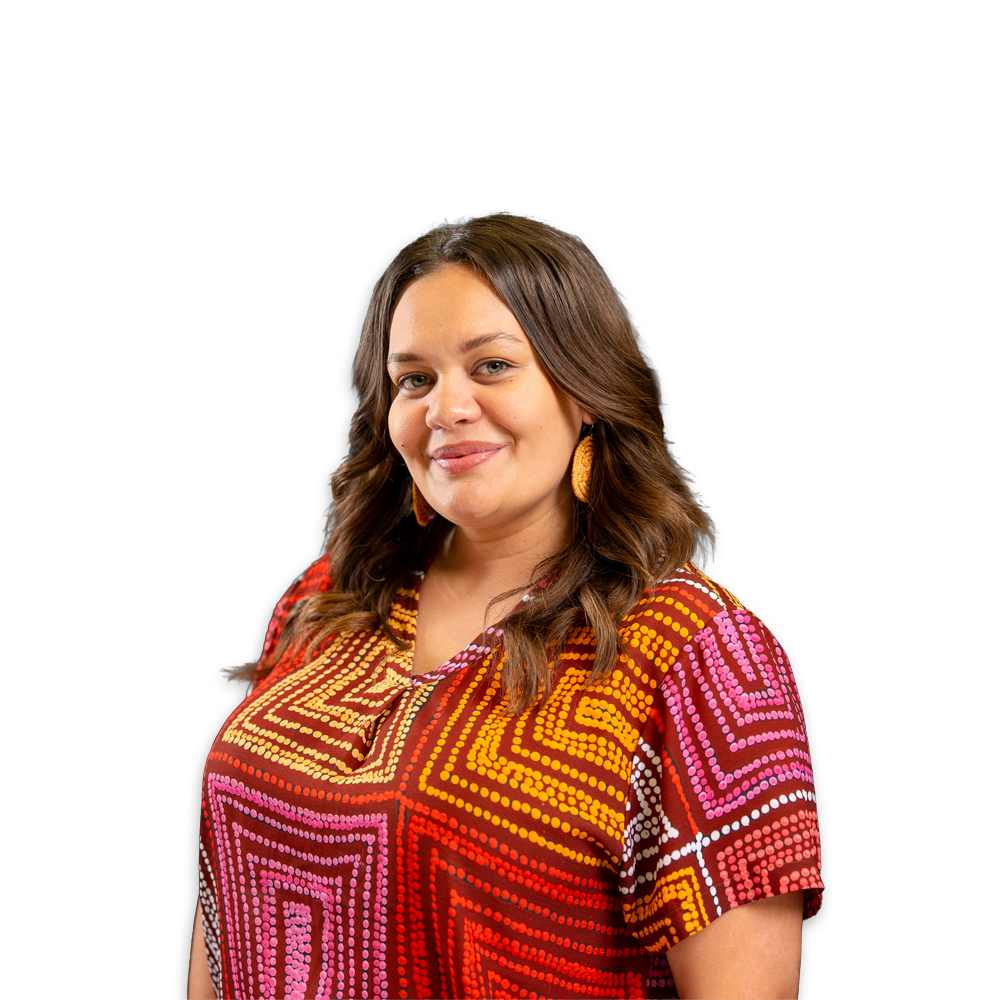
Marnie O'Meara
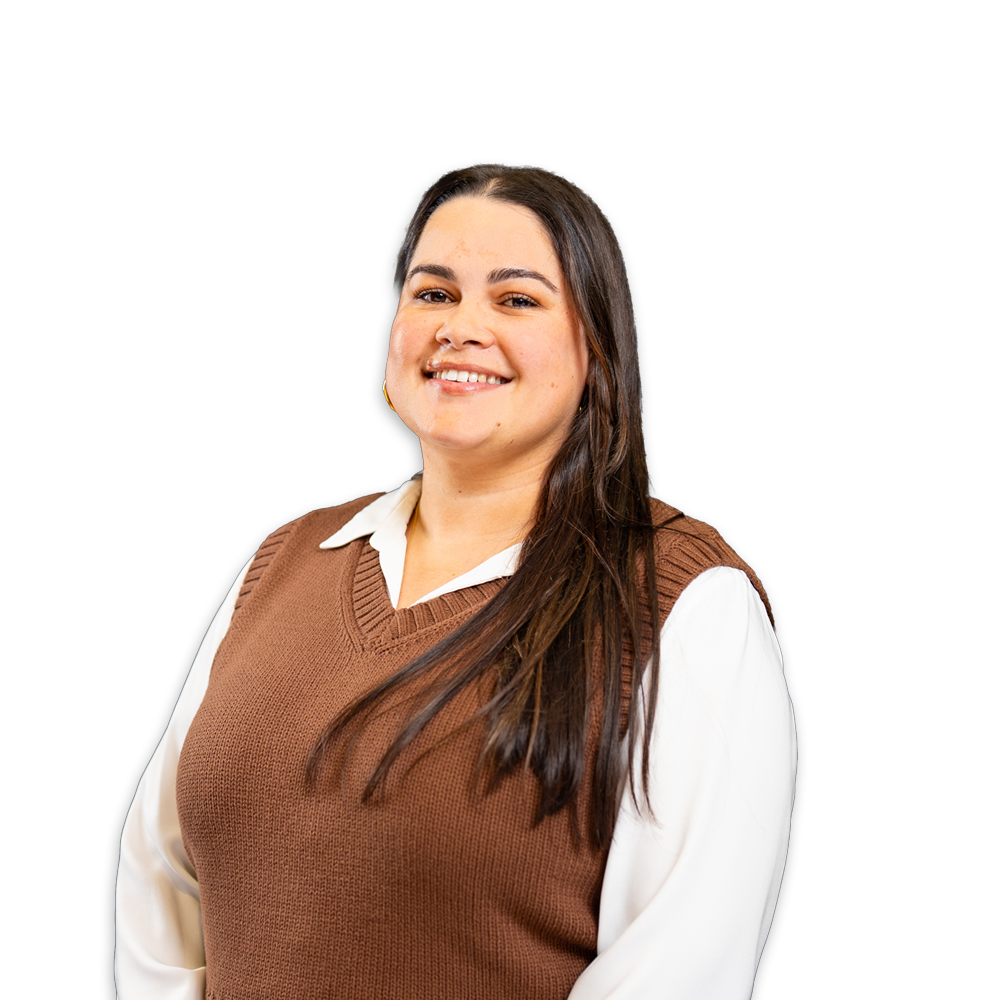
Ashum Owen
Read Ashum's bio
Ashum Owen is a proud Kaurna, Narungga (Edwards line) and Ngarrindjeri (Kropinyeri) woman with strong cultural connections across South Australia. She is led by cultural integrity and the legacies of the South Australian Aboriginal trailblazers, past and present. She honours their activism and commitment to self-determination.
Ashum has a background in law, policy and advocacy, focused on the rights of Aboriginal families and children. She previously practiced as a lawyer, in areas of child protection, domestic violence and family law. Since then, she has worked for the Commissioner for Aboriginal Children and Young People and was appointed as the inaugural CEO of Wakwakurna Kanyini.
Currently, Ashum works as the Director of Aboriginal Leadership for Thriving Families SA. She is also a co-founder of Ngangki Warra and a Director on the Board of Warra Wangkatitya.
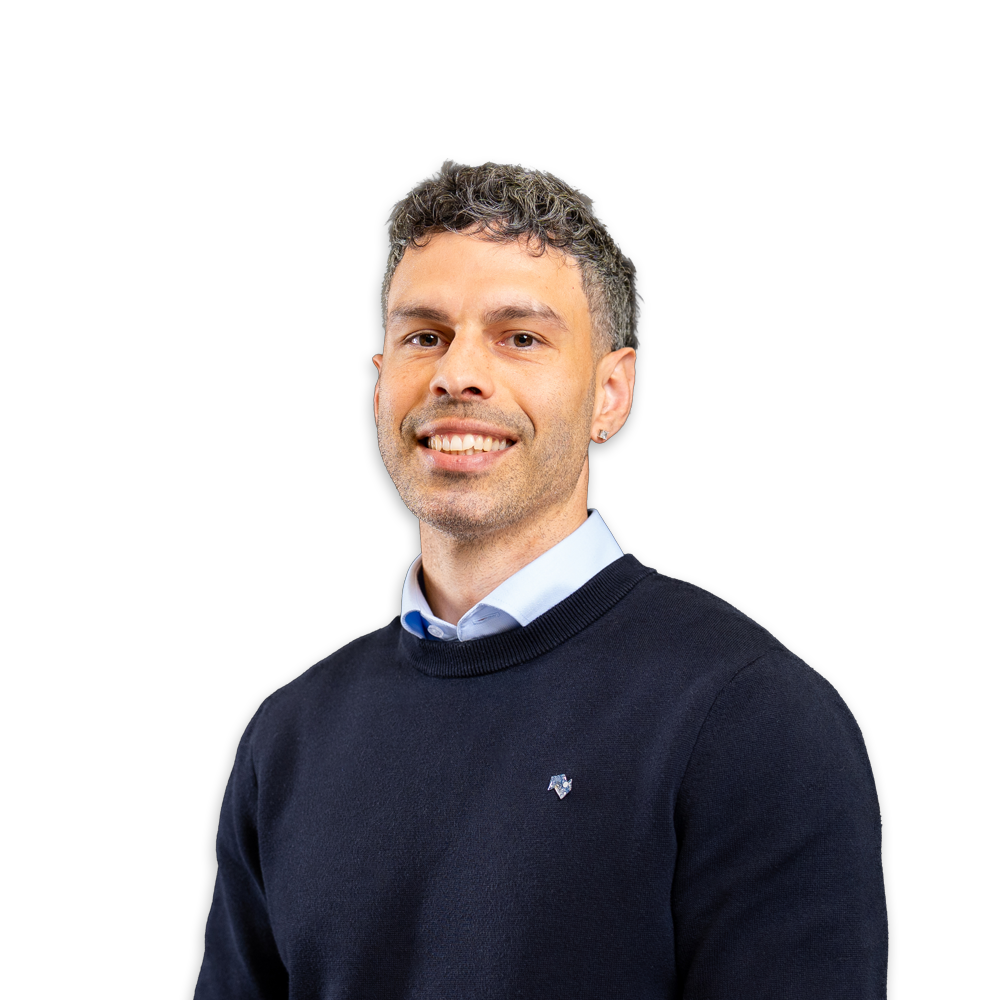
Matthew Rankine

Timothy Ritchie
Moogy Sumner
Read Moogy's bio
Moogy is a Ngarrindjeri and Kaurna elder with a long history of involvement in services to First Nations people relating to health, social welfare, youth, environment and cultural heritage.
He is a renowned performer and cultural ambassador and is highly respected for his tireless work sharing Aboriginal culture and knowledge.
Among many activities, he is heavily involved in the repatriation and reburial of Aboriginal people's remains from overseas institutions and the South Australian Museum.
Moogy lives the ideal that by looking at things from a cultural perspective, we can do more to care for people and country. He wants to show South Australian people that Aboriginal culture is about sharing and working together for the benefit of the whole community.
He tries to make sure his contributions to public life in the areas of Aboriginal health, social welfare, youth and cultural heritage benefits everyone.